
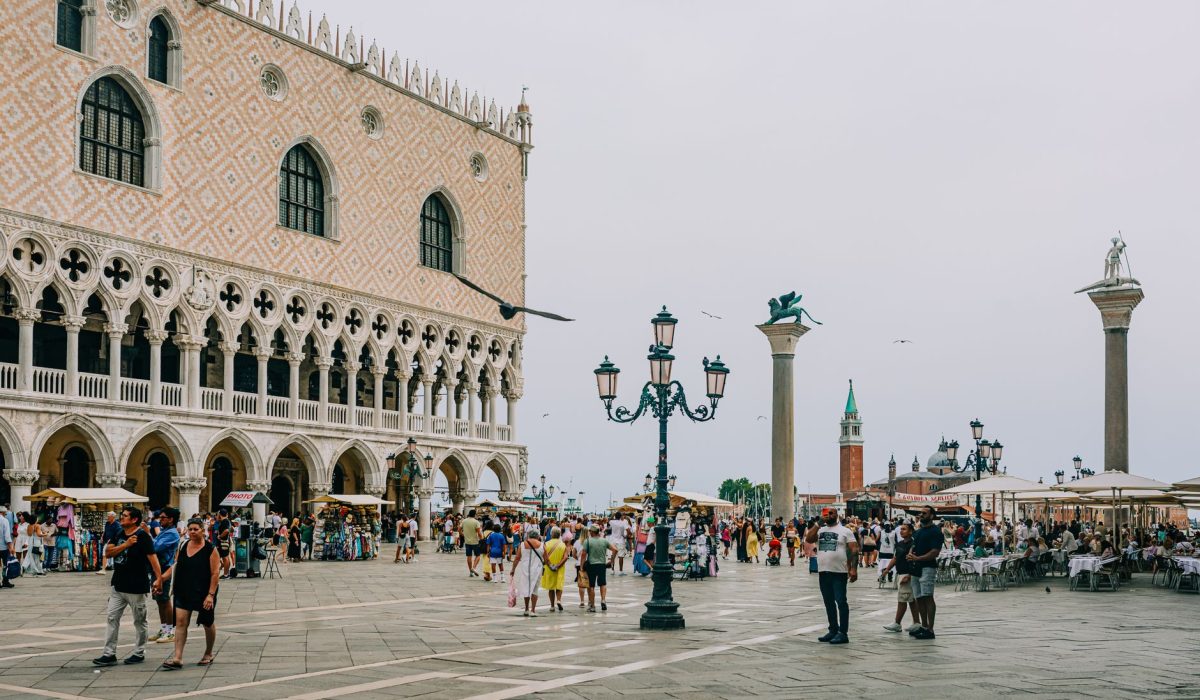
Italy is one of such countries, which you can know even before you come. Its popular cities, cuisine, ancient structures and stunning beaches have become household names thanks to films and photographs. But planning a real trip can be very different from simply dreaming about one. These italy travel tips will allow you to organize a more fun and easier vacation either on your first visit to Italy or you simply want to go there again.
Whether it is a matter of selecting the season to visit or knowing more about trains, restaurants, accommodation and local customs, a little preparation can be a big difference. There are numerous popular sights in Italy, and you cannot get to all of them within one vacation. A more leisurely itinerary usually provides you with more vacation time in the sites you explore rather than in between these sites.
Choose the Right Time to Visit Italy
Visiting Italy in the best period will depend on what you desire in your visit. The spring and early fall are the seasons that are quite popular since the weather is usually favorable and summer may be too hot and bulky in most tourist spots.
Spring is a good option between March and May because this is the time of year when there are comfortable temperatures and no huge crowd as in summer. This period can be particularly fun with flowers, outdoor cafes, and the increased daylight hours. But weather may always change, thus it would be prudent to check the weather in the areas you are intending to visit.
The most active period of travel is June-August. Popular cities and coastal destinations can get highly congested and the prices of accommodation might go up. When you are planning a trip in these months, its generally a good idea to book in advance hotels and major attractions.
September and October are good months to visit, as well. The summer heat is starting to be a bit less, and lots of places are a little more quiet. Autumn is especially beautiful in places that are associated with food and wine.
Winter is an alternative that a traveler can consider in terms of less crowd and reduced cost. Places like Rome, Florence, and Venice are not dearth of things to do in colder seasons. In case you would like to go to the Italian Alps and go skiing, then winter is of course the best time of the year.
Plan Your Route Instead of Trying to See Everything
Among the tips that can help one travel in Italy their most valuable is not to include too many destinations in a single itinerary. There is so much to see in Italy and traveling in cities daily can easily get exhausting.
Three or four major destinations would suffice to cover in a first visit. Rome, Florence and Venice are a traditional trio. Rome has ancient history and landmarks, Florence has the renaissance art and architecture and Venice is offering a totally different experience of its canals and narrow streets.
You can add destinations according to your interests in case you have more time. Beach lovers would like to visit the Amalfi Coast, Sicily, Sardinia, or Puglia. Tuscany or Emilia-Romagna may be liked by those who are interested in food and wine. Lake Como, as well as Italian Alps, is also a nice destination of those who like nature and picturesque landscapes.
Effort to spend two or three nights in large towns. This will allow you to explore the key places of interest and still have time to eat, local areas and have some surprises.
Another thing to keep in mind is that Italy is not all about well-known sights. You can get some of the best experiences when you stroll through a small town, have a snack at a local cafe, or even have a small train ride to a less tourist-filled spot.
Understand Transportation Before You Go
There is a good public transport system within Italy making it easy to move around most key destinations without necessarily having to hire a car.
Trains that travel at high speeds will particularly come in handy in long distance intercity travel. They are able to reach key destinations much quicker compared to the slower local trains. Your pre-book might also assist you in locating superior prices, especially when traveling during peak times.
Regional trains are convenient when traveling over shorter distances and to medium and small towns. They tend rather slow but can be convenient and cost-effective. Always ensure your ticket is read and when they require it, abide by the instructions with regard to validation. Digital tickets can also carry different regulations as compared to traditional paper tickets.
Most cities also have buses and other local means of transport. In Rome, there is the bus and metro, which can assist you to reach places that are more distant than the central tourist center.
Another great aspect of travel in Italy is walking. Most of the historic centers have narrow streets where it is easier to walk than drive. It is important to have comfortable shoes and in particular when you are visiting towns like Rome, Florence or Venice.
Hiring a car may be rational in case you are going to rural regions, wineries, villages, or places where the transportation is not as convenient by bus. Nevertheless, in historic city centers, it can be difficult to drive and in certain fields, there are limited traffic areas. Check the local driving rules always before beginning to drive in a city.
Learn a Few Italian Customs
To have a good time in Italy you have no need to learn Italian because you can speak basics like greetings, thanks, good night, and various other words that can help to make your communication easier. The following phrases come in handy in day-to-day life: ciao, buongiorno, grazie, per favore, scusi.
Eating may also not be the same as you are accustomed to. Lunch and dinner can be more time consuming and lunch is commonly regarded as a social event and not something to get through within a short time. Do not be in a hurry to hurry up in a restaurant.
Another aspect that visitors can observe is coffee culture. The Italians tend to take a quick coffee standing at the bar. It can be a expensive affair to sit at a table particularly in tourist spots.
Dress decently when attending churches and other religious places. There are places where shoulders and knees are covered. A lightweight item that can be used to give additional coverage where needed is a nice idea.
Also you need to know your environment in the tourist spots. Italy, like any other mainstream tourist destination, has places where pick pocketing may take place. Always keep your phone, wallet and passport safe especially in a busy transport, and in places that are of great attraction.
Eat Like a Local and Manage Your Travel Budget
The reason why people come to the country to eat Italy is among the largest sectors, and you need not pay much to have good food.
Search restaurants in the areas not located in the most tourist streets. A neighborhood trattoria, often run by a small family, can be more relaxed and offer a better value. The local specialties also differ by the area, and thus, one should sample local dishes that are related to that area.
To illustrate, pizza is closely linked to Naples whereas Bologna is known to have great traditions with pasta. Tuscany possesses regional dishes and Sicily a unique blend of Italian and Mediterranean influences.
Do not suppose that all restaurants will actually serve all that is advertised in the menu price. Determine the presence of service charges or other fees. You can always ask questions before ordering.
Your budget might be quite different across cities, seasons and locations, to accommodate. It may be convenient to be in direct proximity to a big attraction but is also costly. It can be more economical to settle slightly far and at the same time not too far away to the public transport.
It is also prudent to save a little money in case of unforeseen needs. A longer trip can add up transport expenses, attraction tickets, meals, luggage storage, and small purchases.
This is because when you are traveling to many cities it is better to add up all the costs of transport and accommodation and decide how to travel before making up your mind. Occasionally it can be cheaper to use a route that is a little slower, and occasionally it can pay to use a convenient train and save a few hours.
Make Time for Italy's Famous Experiences
There are infinite attractions in Italy and therefore it is useful to plan which of all the experiences you would enjoy the most once you get there.
The Colosseum, Roman Forum, Trevi Fountain and Vatican City are places you may wish to visit in Rome. Due to big attractions, which may turn into a huge crowd, you might want to reserve major attractions beforehand to avoid having to wait in line.
Florence is the right place to visit when one is into art and architecture. The historic center is not too large to explore by walking, and you may also mix the significant sights with having strolls along the streets of the city.
Venice is best experienced at a slower pace. Go outside the busiest locations, walk to smaller streets, and have a thought of going to nearby islands in case you have enough time.
To visit another part of Italy, take a trip to smaller towns or the country. These destinations will allow you to get a better understanding of what life is like on the ground, and they tend to be less hectic than large tourist destinations.
It should not be a list of things to do at attractions. Allow a free time. You can discover a small restaurant that you like, discover a nice place, or just sit somewhere in a square and have a coffee.
Being able to plan your vacation on a flexible timetable would help you feel that your vacation is not the race but it is a real journey.
Final Thought
Italy is a place that one cannot forget without a perfect itinerary. Planning the key aspects is the most helpful, but you should also leave the room to unplanned experiences and scenarios.
Go where you really mean, spend some time in each location, take trains when they are reasonable, and be mindful of local culture. Watch over your things, know your budget and when you need to book popular attractions.
Above all, take your time and savor the moment. Italy does not merely consist of landmarks. It is also long meals, lovely streets, local custom, local dishes, small things which you might recall even later when your journey is completed.
FAQs About Traveling to Italy
What is the best month to visit Italy?
September and October are often excellent choices because the weather can be comfortable and the summer crowds may be smaller. Spring is another good option for pleasant weather and outdoor activities.
How many days are enough for Italy?
Around 7 to 10 days can work well for a first trip focused on a few major destinations. Two weeks or more gives you the opportunity to travel more slowly and include additional regions.
Is Italy expensive for tourists?
Italy can fit different budgets. Major cities and popular tourist destinations can be expensive, but travelers can reduce costs by choosing reasonably priced accommodation, eating at local restaurants, using public transportation, and avoiding unnecessary tourist services.
Do I need to rent a car in Italy?
Not necessarily. Trains and public transportation are convenient for many popular destinations. A car becomes more useful when visiting rural areas, countryside villages, or locations with limited public transportation.
What should I wear when visiting churches in Italy?
Wear respectful clothing that covers your shoulders and knees when required. Rules can vary by location, so checking the requirements before visiting a religious site is a good idea.
Should I book attractions in Italy in advance?
For very popular attractions, booking ahead is usually a smart choice. It can help you avoid long lines and ensure you get entry at your preferred time, especially during busy travel seasons.